


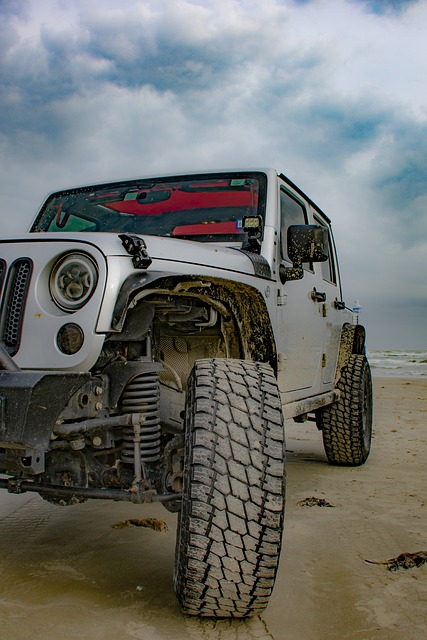

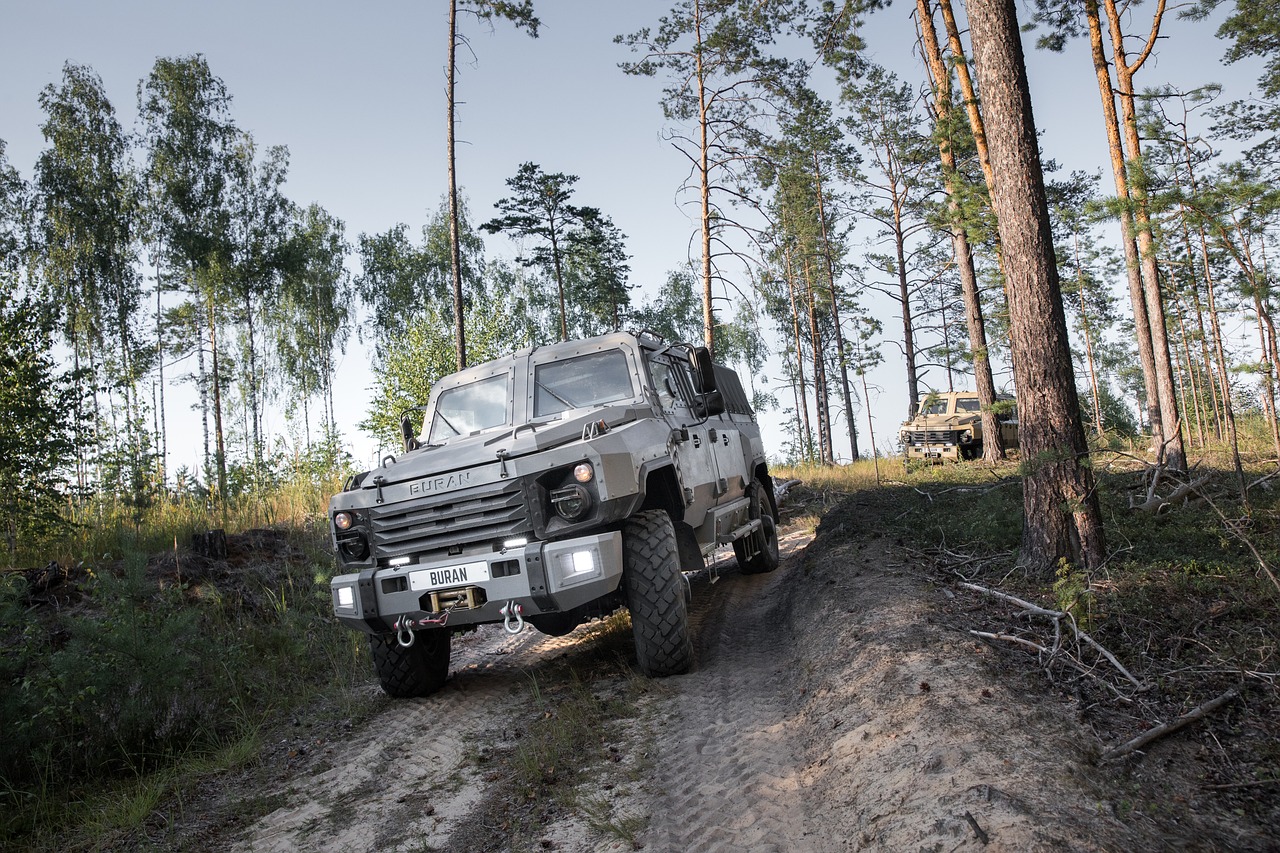
Brownsville-Overlanding-Planning is an exciting adventure for off-road enthusiasts and outdoor explorers. As you prepare for your journey, ensuring your vehicle is equipped with the right accessories is crucial, especially when it comes to hitch balls. This comprehensive guide will take you through the essential aspects of Brownsville overlanding planning, with a focus on understanding and selecting the appropriate hitch balls for your needs.
Understanding Hitch Balls: The Foundation of Your Overlanding Setup
What is a Hitch Ball?
A hitch ball, also known as a trailer hitch ball or towing ball, is a crucial component in the connection between your vehicle and any towed equipment, such as a trailer or caravan. It is the male attachment that secures the hitch to the receiver on your vehicle, allowing for safe and stable towing. Hitch balls come in various sizes, shapes, and materials, each designed for specific towing capacities and vehicle types.
Types of Hitch Balls: Choosing the Right Fit
Brownsville overlanding planning starts with selecting the appropriate hitch ball based on several factors:
-
Towing Capacity: The primary consideration is the weight your vehicle can safely tow. Hitch balls are rated for specific towing capacities, typically ranging from 2000 lbs to 10,000 lbs or more. Choose a ball that matches or exceeds the expected weight of your trailer and its cargo.
-
Vehicle Compatibility: Different vehicles have different receiver tube sizes and patterns. Ensure the hitch ball you choose fits your vehicle’s receiver, which is typically located in the bed or chassis of your truck or SUV. Standard sizes include 2-inch, 2 1/2-inch, and 3-inch receivers.
-
Ball Material and Finish: Hitch balls are commonly made from steel, stainless steel, or aluminum. Stainless steel offers corrosion resistance, while aluminum is lighter. The finish, such as zinc plating, enhances durability and prevents rust.
-
Ball Shape and Mounting Style: They come in various shapes, including round, oval, and square. The mounting style can be either a socket (for a secure fit) or a bolt-on design. Choose based on your preference and the specific requirements of your trailer.
Brownsville Overlanding Planning: Steps to Ensure Success
1. Researching Your Adventure
Before you begin equipping your vehicle, thorough research is essential. Brownsville overlanding planning starts with understanding the region, its terrain, and the challenges you might encounter. Consider:
-
Route Planning: Map out your overlanding route, identifying areas with potential camping spots, water sources, and scenic viewpoints. Research local regulations and permits for off-road driving.
-
Weather Conditions: Check weather patterns and forecasts for the duration of your trip. Prepare for various conditions, from hot desert days to cold nights.
-
Local Wildlife: Familiarize yourself with the local wildlife and any potential hazards or encounters. Pack appropriate safety gear and supplies.
2. Vehicle Preparation
Ensuring your vehicle is ready for the rigors of overlanding is a critical step in your Brownsville overlanding planning. This involves:
-
Mechanical Check-Up: Conduct a thorough check of your vehicle’s engine, brakes, tires, and suspension. Replace or upgrade components as needed to handle off-road conditions.
-
Towing Capacity Upgrade: If your vehicle’s towing capacity is limited, consider installing a higher-rated hitch ball and a heavy-duty trailer hitch. Consult a professional for proper installation.
-
Auxiliary Fuels and Fluids: Carry additional fuel, engine oil, coolant, and brake fluid. Off-road adventures may leave you far from services stations, so being prepared is vital.
-
Recovery Equipment: Pack a basic recovery kit, including a tow strap, wheel chocks, and a jack. This equipment can be invaluable in case of a breakdown or getting stuck.
3. Choosing the Right Hitch Ball
The selection of a hitch ball is a crucial component of your Brownsville overlanding planning. Here’s a step-by-step guide:
-
Match Towing Capacity: As mentioned earlier, ensure the hitch ball’s rating meets or exceeds your towing needs.
-
Check Receiver Compatibility: Measure your vehicle’s receiver tube size and pattern to match it with the hitch ball. Use the correct size and pattern for a secure fit.
-
Consider Material and Finish: Stainless steel is a popular choice for its corrosion resistance. Aluminum is lighter, ideal for those who plan to frequently remove the ball.
-
Select the Right Shape and Mounting: Choose a ball shape that aligns with your trailer’s coupler design. Socket-style hitches provide a secure fit, while bolt-on hitches offer convenience.
-
Explore Additional Features: Some hitch balls include additional features like built-in LED lights, safety chains, or quick-release mechanisms, enhancing both functionality and safety.
FAQ: Addressing Common Concerns
Q: How do I know if my vehicle’s receiver is compatible with a hitch ball?
A: Check your vehicle’s owner’s manual or contact your dealer to confirm the receiver size and pattern. Most modern vehicles have standard 2-inch, 2 1/2-inch, or 3-inch receivers, but older models or specialized vehicles may have unique configurations.
Q: Can I use a hitch ball for both towing and off-road driving?
A: While hitch balls are designed for towing, using them for off-road driving is generally not recommended. Off-road vehicles often require specialized hitches and mounting systems that offer more flexibility and durability. Hitch balls are best suited for towing trailers or caravans.
Q: What safety precautions should I take when towing with a hitch ball?
A: Always use proper safety equipment, including wheel chocks, tow straps, and safety chains. Ensure your load is securely attached and distributed evenly. Regularly inspect your hitch and connections for any signs of wear or damage. Towing at a safe speed and maintaining a steady throttle can also prevent unexpected issues.
Q: How do I install a hitch ball on my vehicle?
A: Installation typically involves attaching the hitch ball to your vehicle’s receiver. This process may require basic mechanical knowledge and tools. Follow the manufacturer’s instructions and consider seeking professional assistance if you’re unsure. Proper installation ensures a secure and safe connection.
Q: What should I pack in my recovery kit for overlanding?
A: A basic recovery kit should include a sturdy tow strap, wheel chocks, a jack suitable for your vehicle, and a set of lug wrenches. You may also want to add a set of reflectors, a first-aid kit, and emergency food and water. Always tailor your kit to your specific overlanding needs and the challenges of your route.
Conclusion: Embracing the Adventure
Brownsville-Overlanding-Planning is an exciting journey that requires meticulous preparation. By focusing on hitch balls and understanding their role in your setup, you’ve taken a significant step towards a successful and memorable adventure. With the right hitch ball selected and your vehicle ready, you’re equipped to tackle the unique challenges and breathtaking landscapes that await.
As you embark on your overlanding journey, remember that proper planning, the right equipment, and a sense of adventure will create unforgettable experiences. Safe travels and happy exploring!