

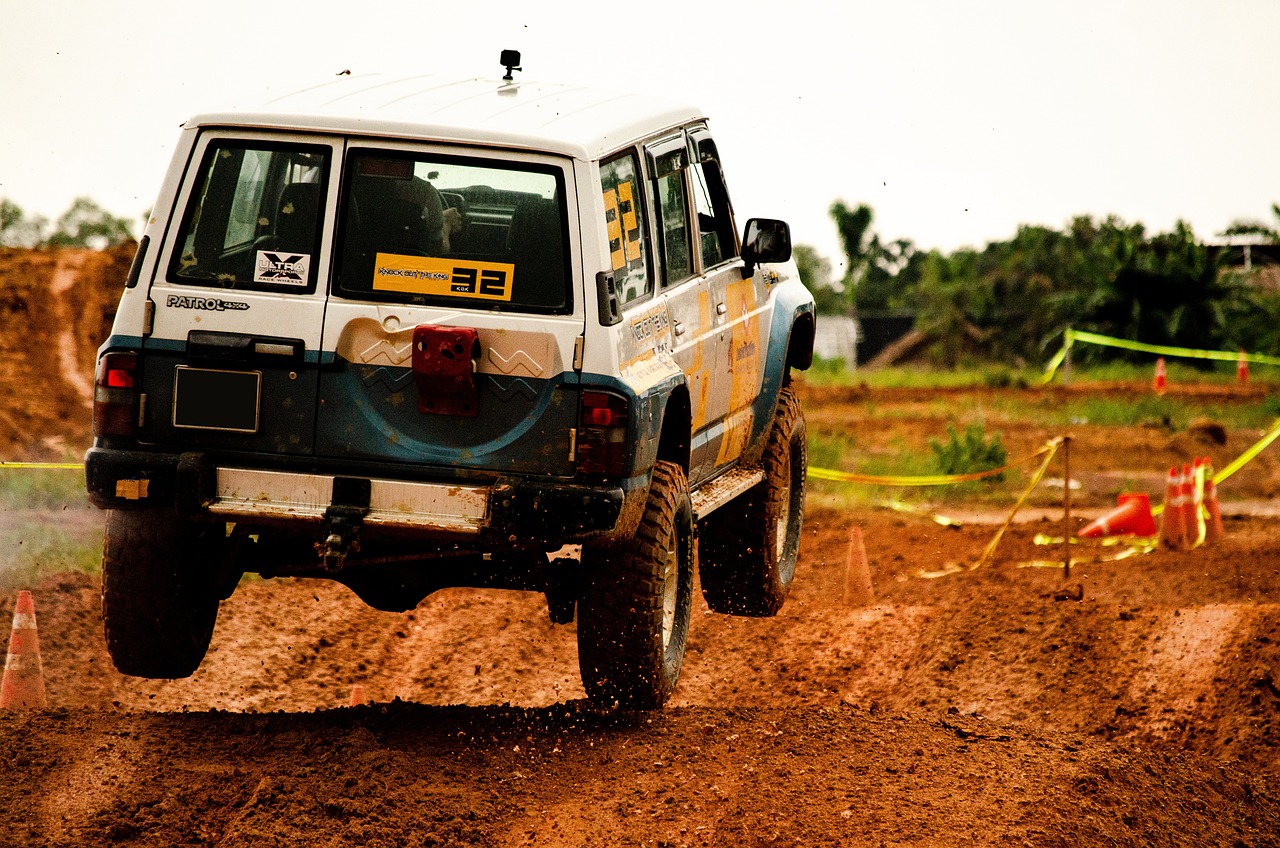
Brownsville-Overlanding-Planning has become a popular trend among outdoor enthusiasts seeking immersive experiences off the beaten path. This exciting activity involves exploring remote locations, often in rugged terrain, using specialized vehicles and equipment. One crucial component of successful overlanding is ensuring your truck is equipped to handle the challenges ahead. This is where truck lift kits come into play, offering enhanced performance and capabilities for an unforgettable adventure.
Understanding Brownsville-Overlanding-Planning and Its Requirements
Brownsville-overlanding planning requires meticulous preparation, especially when it comes to vehicle modifications. Overlanders need trucks that can navigate diverse terrains, carry heavy loads, and withstand the rigors of off-road travel. This is where lift kits prove invaluable, providing a range of benefits tailored to the unique demands of overlanding.
Benefits of Truck Lift Kits for Overlanders
-
Increased Ground Clearance: Lift kits elevate your truck’s suspension, offering improved ground clearance. This is essential for navigating rocky trails, shallow rivers, and other obstacles commonly found in off-road adventures.
-
Enhanced Performance: By raising the vehicle, lift kits can accommodate larger tires, which provide better traction and control on uneven surfaces. This increased stability and maneuverability are crucial when traversing challenging terrain.
-
Improved Load Capacity: Many lift kit setups strengthen the chassis and suspension, increasing the truck’s overall load-carrying capacity. This is beneficial for transporting camping gear, supplies, and other equipment required for extended overlanding trips.
Types of Truck Lift Kits
The market offers a variety of truck lift kits designed to cater to different needs and preferences. Here’s an overview:
1. Spring Over Lift Kits
These kits utilize springs to raise the vehicle. They are generally cost-effective and offer a reasonable amount of lift, typically between 4-6 inches. Spring over kits are suitable for those seeking a more comfortable ride without excessive off-road capabilities.
2. Hydraulic Lift Kits
Hydraulic systems provide precise control and a smoother ride. These kits can offer lifts ranging from 6 to 10 inches or more, depending on the setup. They are popular among overlanders who prioritize both comfort and off-road performance.
3. Air Lift Kits
Air lift kits use compressed air to raise the vehicle, allowing for precise height adjustments. They are known for their versatility and can accommodate various lifting needs. Overlanders often choose air lifts for their ease of use and on-demand control.
Choosing the Right Truck Lift Kit for Your Overlanding Adventure
Selecting the ideal lift kit is a crucial step in your Brownsville-Overlanding-Planning process. Consider these factors to make an informed decision:
1. Vehicle Compatibility
Ensure the lift kit is compatible with your truck’s make and model. Different vehicles have unique suspension systems, so checking fitment is essential to avoid potential issues.
2. Desired Lift Height
Determine how much you want to lift your vehicle. This will impact the type of tires you can use and the overall performance characteristics. Lifting in increments of 2-3 inches at a time is often a good starting point.
3. Off-Road or On-Road Use
Decide whether your primary focus is off-roading or on-road comfort. Spring over kits might be suitable for light off-road use, while hydraulic and air lifts are better suited to more demanding trails.
4. Budget Considerations
Lift kit prices vary widely based on the brand, features, and complexity of installation. Set a budget that aligns with your needs and keep in mind potential costs for future upgrades or repairs.
Installation and Maintenance Tips
Properly installing and maintaining your truck lift kit is crucial for safety and optimal performance:
Installation Best Practices:
-
Follow Instructions: Carefully read and follow the manufacturer’s installation guidelines. Each kit may have unique requirements, and proper installation ensures safety and functionality.
-
Professional Assistance: If you’re unsure about any part of the installation process, consider seeking help from a professional mechanic or overlanding expert.
-
Test Before Relying: After installation, test your lift system thoroughly on safe, controlled terrain to ensure it operates as expected.
Maintenance Tips:
-
Regular Inspection: Regularly inspect your lift kit for any signs of wear or damage. Check all components, including springs, seals, and hoses.
-
Lubrication: Some kits may require periodic lubrication of specific parts. Refer to the manufacturer’s guidelines for recommended lubricants and intervals.
-
Keep Records: Maintain records of maintenance activities and repairs. This documentation can be valuable if you need to troubleshoot issues in the future.
FAQ: Brownsville-Overlanding-Planning and Truck Lift Kits
1. How do lift kits affect my truck’s fuel efficiency?
Lift kits, especially those with larger tire sizes, may slightly reduce fuel efficiency. However, proper tuning and selection of fuel-efficient tires can mitigate this impact. Regularly monitoring your vehicle’s performance and maintaining optimal driving practices is essential.
2. Can I install a lift kit myself, or do I need professional help?
Some lift kits are designed for DIY installation, while others require specialized knowledge and tools. Assess your skill level and consider seeking assistance from an experienced mechanic, especially for more complex setups.
3. What factors should I consider when choosing tires to match my lift kit?
When selecting tires, consider the recommended tire size and tread pattern for your lift kit. Look for tires with adequate ground clearance, traction, and off-road performance matching your vehicle’s capabilities. Regularly check tire pressure and wear patterns.
4. How often should I maintain my truck lift kit?
Regular maintenance is crucial to ensure the longevity of your lift kit. Check the manufacturer’s recommendations, but a good rule of thumb is to inspect and lubricate components at least every 6-12 months or after extreme off-road use.
5. Can I upgrade my lift kit in the future?
Absolutely! Lift kit upgrades are common as overlanders’ needs evolve. Many manufacturers offer modular systems, allowing you to add or change components. Ensure any upgrades are compatible with your vehicle and current setup.
Conclusion: Enhancing Your Brownsville-Overlanding-Planning with Truck Lift Kits
Brownsville-Overlanding-Planning offers a once-in-a-lifetime opportunity to explore remote locations and immerse yourself in nature’s beauty. With the right truck lift kit, you can transform your overlanding experience, ensuring a smoother, safer, and more enjoyable journey. By understanding different lift kit types, considering compatibility and your specific needs, and maintaining your system properly, you’ll be well-equipped for any adventure that lies ahead.
Whether you’re tackling challenging trails or simply seeking improved comfort, truck lift kits are an essential component of successful overlanding. With careful planning and the right setup, your Brownsville-Overlanding-Planning will be a memorable and thrilling experience.